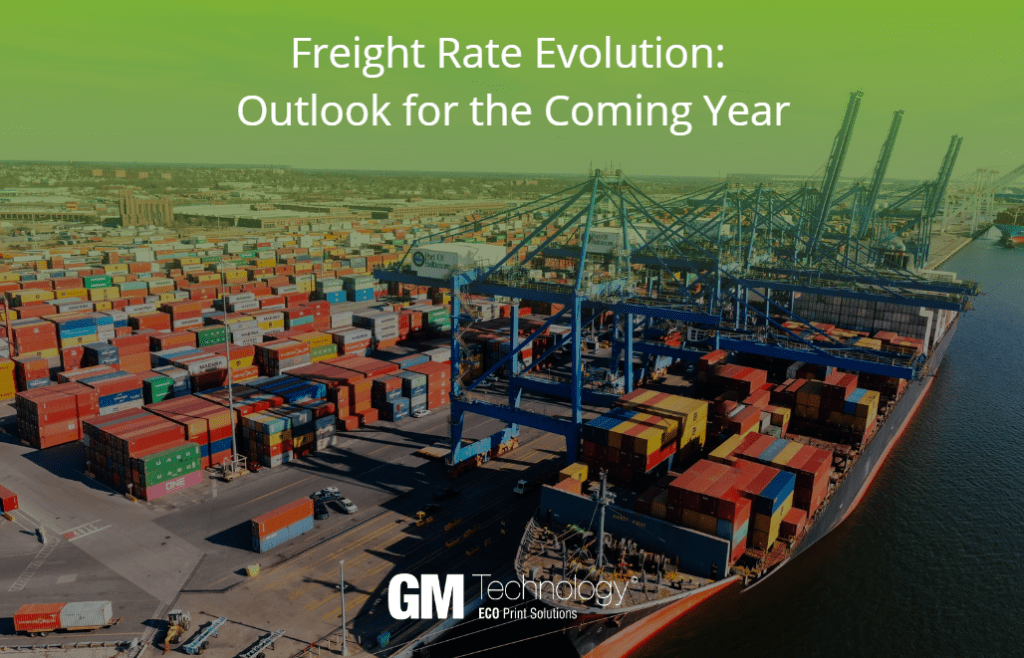
The dynamics of international trade in 2025 are likely to be influenced by several factors pushing higher maritime and air freight rates. According to recent reports from analysts like Drewry, the increase in transportation costs seems inevitable, with freight rates likely to remain elevated due to a combination of geopolitical tensions, trade policies, and global demand factors.
Causes Behind the Increase in Freight Rates in 2025
A key driver of rising freight costs is the U.S. trade policy. If Trump wins the election and reintroduces tariffs, particularly on Chinese products, a “stampede” of importers in December and January could occur, with many rushing to advance orders to avoid these tariffs. This will impact both U.S. and European companies, creating heightened demand for containers and vessel space, putting upward pressure on global logistics prices.
Impact of Vessel Capacity Increase and New Regulations
Although the global container ship fleet grew by 10% in 2024, this increase in capacity will not be enough to mitigate rising prices. Adding to this are new carbon tax regulations in maritime transport and instability in regions such as the Middle East. These variables suggest an environment where freight rates will likely remain above pre-pandemic levels.
Recommendations for Businesses: Adapting to the New Freight Rates
In this environment of high logistics costs, we recommend that companies avoid relying on short-term spot rates and consider fixed-rate contracts for their shipments. This strategy can help mitigate price fluctuations and provide budget stability. Additionally, with the Chinese New Year on the horizon, advance planning will be essential to secure needed space and avoid peak season rate spikes.
2025 presents significant challenges in international logistics and global trade. The combination of geopolitical factors, regulations, and demand fluctuations suggests that maritime and air freight will be a crucial but costly resource. At GM Technology, we support our partners with solutions to manage these changes and optimize their logistics operations.